June 2026
Rising Ambulance Call Outs Highlight the Importance of Timely Support for Older Adults Living Alone
Demand for ambulance services continued to climb in 2025, with emergency calls reaching just over 706,000 - an increase of almost 30% since 2020 (1). Commenting on the latest national ambulance data, Hato Hone St John (HHStJ) Deputy Chief Executive of Ambulance Operations Dan Ohs observed that “demand on our emergency ambulance service has never been higher”.
Notably, almost half of ambulance responses in 2025 involved adults aged 65 years or older. This reflects New Zealand’s ageing population, together with factors such as frailty, long-term health conditions, and more older adults living alone (2).
Falls are a major and growing reason for ambulance responses, accounting for nearly 10% of emergency call outs in 2025 - the fourth-highest category - with fall-related incidents increasing by 8.1% (to 52,559) from 2024 (1).
Older adults are particularly susceptible to falling, partly due to increasing frailty. In fact, half of the almost 390,000 New Zealanders who sustained an injury from a fall at home in 2018 were aged 65 years or older (3).
According to Dan Ohs, “falls are not just accidents, they are a major and growing health issue”, and when they occur, “early intervention can reduce long-term injury, loss of independence, and pressure on hospitals”.
Beyond falls, HHStJ data showed an increase in ambulance call outs for cardiac and respiratory arrest, rising by 4.8% to 5,750 in 2025 (1). Most out-of-hospital cardiac arrests occur in older adults, often at home where events may be unwitnessed. (4,5) Delays between symptom onset and hospital arrival are linked with lower survival (6).
Prompt medical intervention can reduce risk of long-term adverse outcomes following acute medical events in older adults, including impacts contributing to dependent living and increased demand on healthcare services. For clinicians in primary care, this reflects a familiar cohort: older patients living alone with established health conditions, where concern often centres on future risk of an unwitnessed event at home.
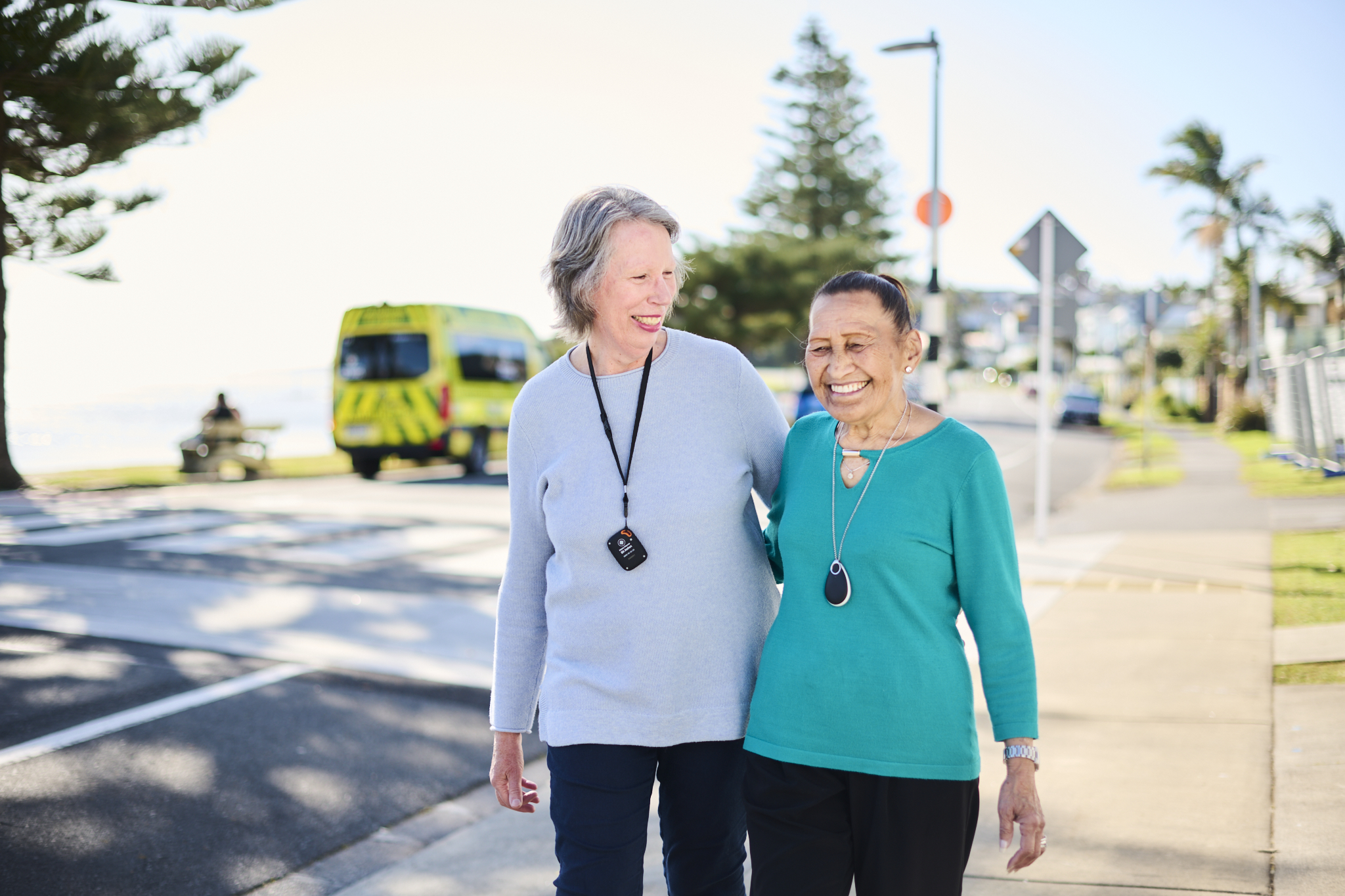
Reflecting on these trends, Dan Ohs highlighted the importance of seamless coordination from the first call through to hospital care. For older adults at risk of acute medical events who wish to remain living in their own homes, maintaining independence while having access to timely help is crucial. Use of a medical alarm can support this by facilitating access to time-critical medical care while supporting ageing in place.
St John Medical Alarm activation data on file provides further context. Falls accounted for the largest proportion of medical alarm incidents requiring an ambulance (23%), followed by breathing problems (14%) and chest pain (13.5%). In these situations, the ability to summon help at the press of a button is especially important for older people living alone.
Reported benefits of medical alarm use include feeling safer and less anxious, greater confidence to continue living alone, and remaining active - helping to avoid functional decline and supporting independence (7,8).
Healthcare professionals can play an important role in supporting the uptake of medical alarms. Research shows that 61% of people who do not currently use a medical alarm would consider one if recommended by their GP, nurse, or specialist (9). For clinicians, medical alarms can also provide reassurance that their older patients are able to access help should an acute medical event occur.
A St John Medical Alarm offers 24/7 response and connects directly to Hato Hone St John. Alarm activations are triaged by HHStJ staff, allowing some incidents to be resolved by phone while supporting timely intervention. For older patients who live alone and are at risk of a future unwitnessed event, referral of a medical alarm represents a simple preventive intervention supporting independence, reassurance, and timely access to help when needed most.
Referral is straightforward, primary healthcare professionals can refer their patients directly through their PMS via Healthlink or ERMs. Secondary healthcare professionals can refer by submitting a form here.
Sources:
1. Tse B. Ambulance workload reaches new highs. Hato Hone St John; 2026. Available from: https://www.stjohn.org.nz/news--info/news--articles/ambulance-workload-reaches-new-highs/.
2. Stats NZ. Growth of one person and two person
households driven by ageing population. 29 October 2015. Available from: https://www.stats.govt.nz/news/growth-of-one-person-and-two-person-households-driven-by-ageing-population/.
3. ACC Newsroom. What’s tripping us up? How Kiwis are falling over. ACC; 2019. Available from: https://www.acc.co.nz/newsroom/stories/whats-tripping-us-up-how-kiwis-are-falling-over/.
4. Bray J, et al. Resuscitation. 2022;172:74–83.
5. Dicker B, et al. Out-of-Hospital Cardiac Arrest Registry: Aotearoa New Zealand National Report 2020/21.
6. Hannan EL, et al. Am J Cardiol. 2010;106(2):143–147.
7. De San Miguel K, et al. Australas J Ageing. 2008;27(2):103–105.
8. De San Miguel K, et al. Home Health Care Serv Q. 2017;36(3–4):164–177.
9. Clarity Insight. Telecare Segmentation: Quantitative Research Stage – Research Findings. October 2025. Data on file, Hato Hone St John.
May 2026
One million Kiwis will soon be over 65. How do we help them age safely at home?
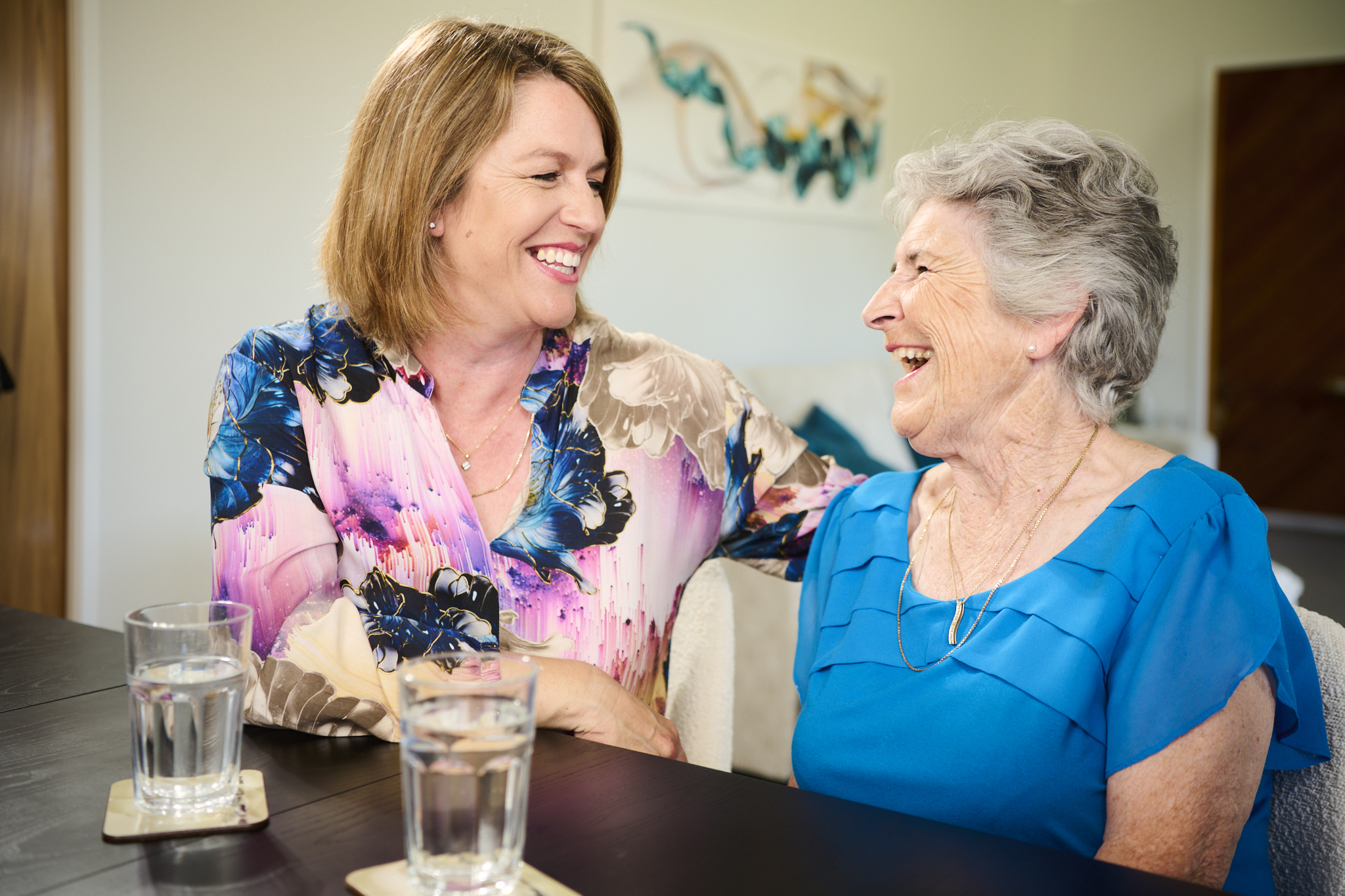
Seven out of 10 New Zealanders say they want to remain in their current homes for the rest of their lives - and would only move if their health declined severely or a partner died.
Living alone is the main reason for getting a personal medical alarm. The wearers are typically female, live in the North Island, have high social contact, and fair health. In contrast, those motivated by a medical condition are more likely to be males, aged 65–74, living with others and in poor health.